

The Saudi tourism paradox
Why domestic demand is creating a compelling investment case for mid-scale hotels across the Kingdom.
12 January 2026

Few tourism strategies globally match the scale and speed of Saudi Arabia’s ambitions under Vision 2030.
Having already exceeded initial visitor targets, the Kingdom is now targeting 150 million visitors by 2030. Tourism has become a central pillar of economic diversification, contributing 11.5% of national GDP in 2024 and reinforcing the scale of Saudi Arabia’s tourism growth.
The development pipeline reflects this growth, with plans to deliver an additional 358,000 hotel rooms by the end of the decade.
For investors and developers, this is a huge opportunity.
Of the 116 million visitors recorded in 2024, around 74% were Saudi nationals, while 67% of residents travel domestically at least once every three months. This frequent and dependable domestic market now underpins Saudi tourism, outweighing international leisure demand.
In practical terms, domestic travel behaviour, preferences and price sensitivity are shaping how - and where - the market grows.
Domestic demand and travel behaviour
When Saudi residents travel within the Kingdom, quality is an integral decision-making factor. Hotels remain the preferred choice, with 48% of travellers opting for them, and 83% of those travellers booking 4 or 5-star properties.
Their amenity wish list is clear, focusing on lifestyle and family needs: a variety of on-site restaurants (50%), great views (48%), and larger rooms or multiple bedrooms (40%).
This is where a market opportunity emerges, driven by a critical disconnect.
While demand is heavily skewed toward quality, average traveller budgets are not always aligned with luxury price points. Our research reveals that 44% of travellers are only willing to spend up to SAR 525 per night on accommodation.
This gap, between quality expectations and affordability, is where the investment conversation begins, and where the Saudi tourism strategy becomes particularly relevant for hotel investors.
The luxury mismatch: where the real opportunity lies
The true opportunity for investors comes from the supply mismatch being created right now.
Despite the demand profile, development activity remains heavily concentrated at the top end of the market. Estimates suggest that around 75% of all new hotel supply scheduled for completion by 2030 will fall within the luxury segment.
By contrast, the mid-range category - crucial for the cost-sensitive domestic market - is actually shrinking. The proportion of 3-star hotel rooms is forecast to decline from 15% to just 10% of total supply.
Put simply, a large and reliable consumer base is prepared to spend up to SAR 525 per night, but the development pipeline focused elsewhere. This creates a powerful, underserved market opportunity.
Capitalising on the mid-scale gap
The most compelling short-term opportunity is in mid-scale and budget hospitality asset development. This caters directly to domestic demand, which already forms the backbone of Saudi Arabia's visitor economy.
By delivering 3- and 4-star hotels that prioritise the fundamentals - including strong food and beverage options, good views and family-friendly layouts - while remaining within the SAR 250-525 price range, developers can target a segment with lower delivery risk and a resilient local customer base.
In many cases, this is less about reinvention and more about getting the balance right.
Unlocking secondary destinations
Saudi Arabia's hospitality market remains highly concentrated.
Around 82% of existing hotel rooms are located across just five cities: Riyadh, Jeddah, DMA, Makkah and Madinah.
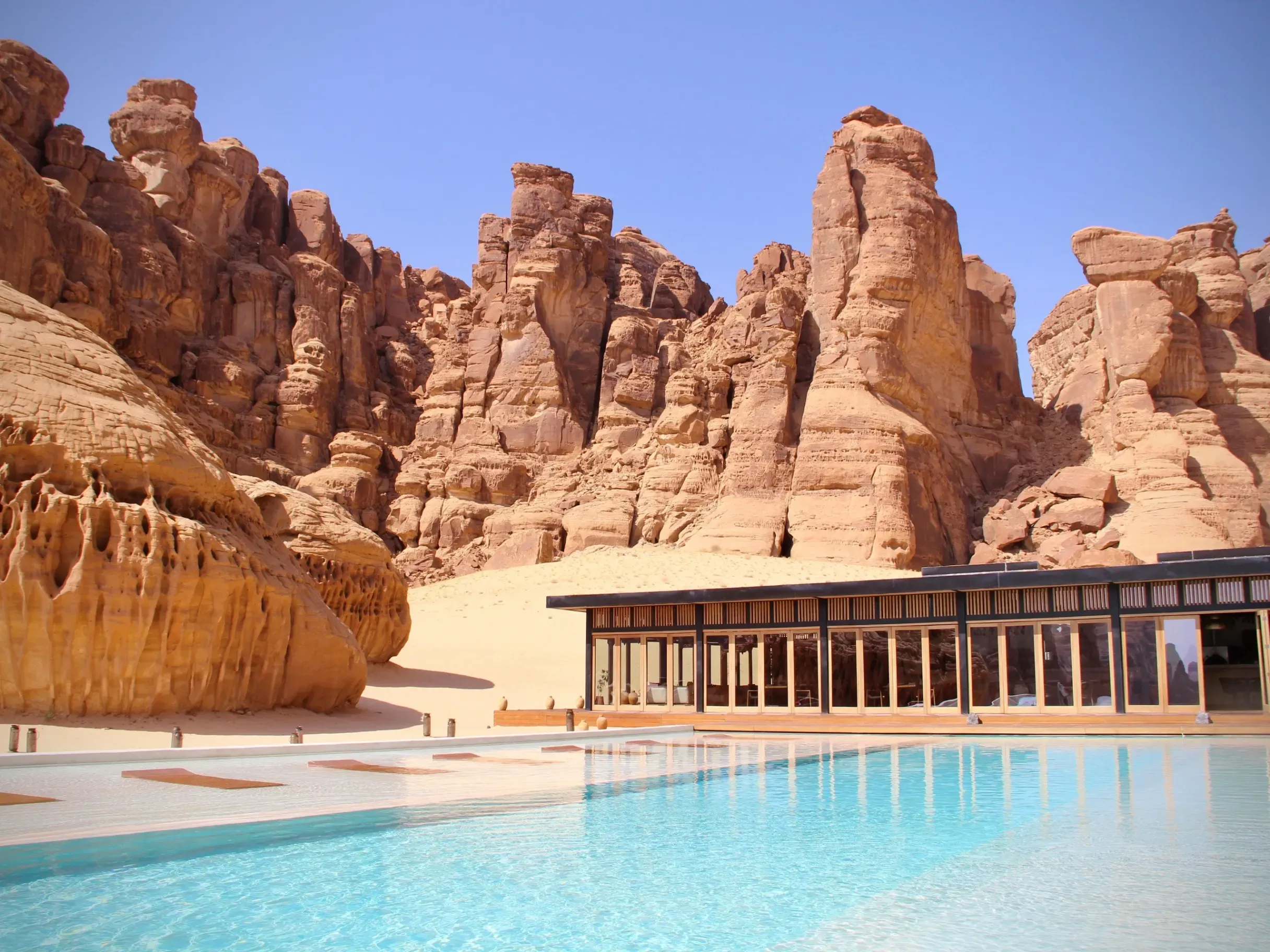
Yet domestic travellers are actively exploring beyond these hubs, with destinations like Abha, Taif, AlUla, Umluj and Jizan gaining popularity as holiday spots.
This points to a growing need for hospitality investment beyond the established areas. Investment in tourism infrastructure in these secondary destinations, which benefit from unique climates, landscapes and cultural appeal, is vital for achieving the Vision 2030 objective of diversifying leisure options and encouraging exploration across the Kingdom, directly aligned with Saudi Arabia’s tourism vision 2030.
The 18% of current supply located outside the five major cities will need to expand significantly to keep pace with this emerging domestic demand.
Ultimately, while giga projects will continue to capture global attention, the long-term commercial strength of the Saudi hospitality sector will rely on balance - pairing high-end ambition with pragmatic investment in mid-market, and strategic expansion into regional destinations.
This is where investors are most likely to find immediate demand, manageable risk and long-term resilience.
Read more in The Saudi Report Part II.
Our advisory team supports each stage, from concept and positioning to operations and launch.